How Fast Mold Can Follow Standing Water: A Guide for Orange, Seminole, and Osceola Owners
If you own a home, rental, office, or commercial property in Orange, Seminole, or Osceola County, standing water is never something to “watch for a few days.” In Central Florida, delay is where small water losses become bigger mold problems.
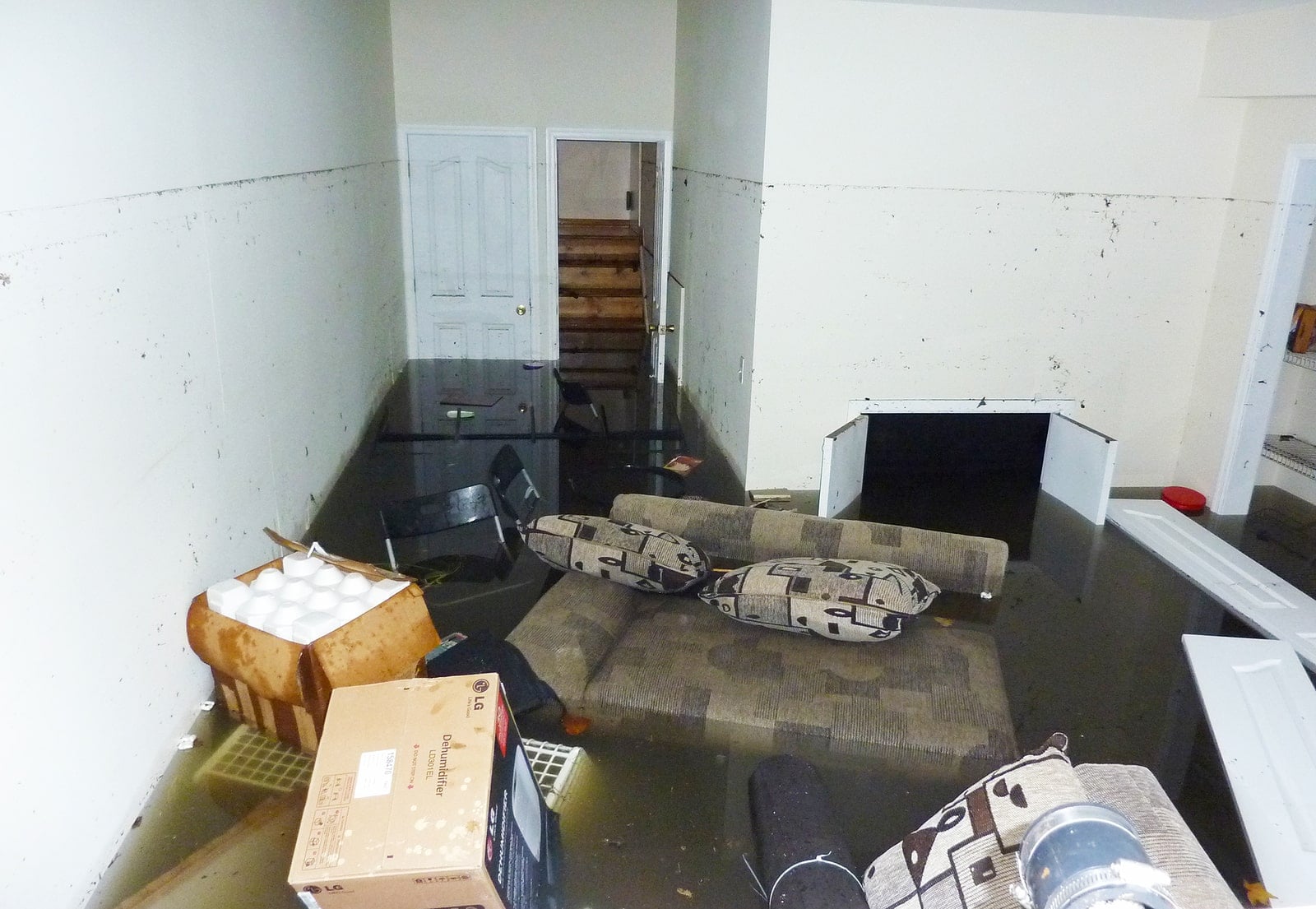
The short answer is sobering. Florida health guidance notes that water standing for even 24 hours can allow common molds to take hold. That does not mean every damp room turns into a severe contamination case overnight, but it does mean the clock starts much earlier than many owners expect. A water heater leak on Monday can become visible mold growth, persistent odor, and damaged materials by the time the workweek is rolling.
I have seen the same pattern play out over and over. A small roof leak after a storm gets written off because the ceiling “looks dry.” A dishwasher line seeps under cabinets where nobody sees it. A vacant unit sits closed up after an AC issue, and humidity does the rest. By the time someone notices the musty smell, the real problem has usually been developing behind walls, under flooring, or inside the HVAC system.
That timing matters, especially in this part of Florida. Warm air, moisture, and enclosed indoor spaces are a bad mix. Florida health officials strongly link mold to moisture and advise keeping indoor humidity below 60 percent. When a property cannot stay below that level without relying on extra dehumidification, the air conditioning system itself may need to be examined for problems. That point gets overlooked all the time. Owners mop up what they can see but miss the larger moisture issue that keeps feeding mold.
Why standing water gets risky so quickly
Mold does not need a dramatic flood to become a problem. It needs moisture and time. Standing water supplies both.
When water sits on flooring, seeps into drywall, wicks into baseboards, or settles into insulation cavities, materials begin holding moisture far longer than the surface suggests. A tile floor may look dry, but the drywall edge behind the baseboard can stay damp. Carpet padding can stay wet after the face fiber feels almost normal. Cabinets can trap humidity underneath and behind toe kicks. That hidden dampness is where trouble tends to start.
In Orange, Seminole, and Osceola, owners often face two challenges at once. First, the original water event may come from a storm, plumbing failure, appliance leak, or drainage issue. Second, the local humidity slows effective drying if the response is casual or incomplete. Opening windows is not always a cure in a humid climate. Sometimes it adds moisture rather than removing it.
That is why prompt water damage restoration Central Florida owners can trust is not just about extracting visible water. The real work is finding where the moisture traveled, drying structural materials properly, and watching conditions long enough to confirm the space is actually stabilizing.
What “24 hours” really means in real life
People hear “mold can start in 24 hours” and picture black patches appearing on every wall by the next morning. That is not usually how it presents. The first day is more about conditions becoming favorable for growth. The signs owners notice often come later.
A practical way to think about it is this. The first 24 hours are the most important prevention window. That is the time to remove standing water, start drying, lower humidity, and separate salvageable materials from items that are too wet or too contaminated to keep. The longer you wait, the more likely you are dealing with more than basic drying.
By day two or three, a property may still look manageable to the untrained eye. Yet that is often when odor starts to build, materials soften, and concealed spaces become more concerning. If the source is still active, or if humidity remains high, you are no longer just cleaning up a spill. You are chasing an active moisture problem.
This is where experienced judgment matters. The right response to a one-room overflow is not always the same as the right response to storm damage restoration Florida properties endure after heavy rain and wind. Flooding, roof intrusion, and widespread wetting change the scope quickly. So does a property that sat closed up during the event.
The materials that tend to lose the race
Not all surfaces respond to water the same way. Hard, non-porous materials are generally easier to clean and dry than porous or absorbent building components. Drywall, insulation, carpet padding, paper-backed materials, and some wood composites are often where moisture lingers.
This becomes important because mold is usually less about the puddle you can see and more about the absorbent material nearby. Water migrates. It moves laterally under flooring, down wall cavities, into trim, and around penetrations. A clean-looking room can still have a wet perimeter.

I remember one property manager describing a loss as “just a little AC overflow.” The floor only showed a small damp area near a closet. Once the base trim came off, the moisture pattern extended much farther than anyone expected. The closet contents smelled musty, the wall cavity was still wet, and the air handler area raised concerns about HVAC mold. That job looked minor during the first phone call. It was not minor by the time the moisture path was mapped out.
Florida health guidance makes another point worth repeating. If mold returns quickly after cleanup, there is probably an underlying leak or moisture source that has not been fixed. Wiping staining off a vent boot or repainting a wall does not solve a hidden drainage issue, duct problem, or repeated condensation cycle.
HVAC changes the stakes
When moisture and air movement meet, contamination can spread beyond the original wet area. That is why HVAC systems deserve special attention after water, mold, or even smoke events. The IICRC has a standard focused on HVAC assessment after water, fire, or mold damage, which reflects how important these systems are in real-world restoration.
If a return path, air handler area, or nearby ductwork has been exposed to moisture, the conversation shifts. Now you are not just asking whether the guest room carpet can be dried. You are asking whether the system is circulating contaminants or sustaining humidity conditions that prevent recovery.
Florida health guidance says that if a central HVAC system needs a dehumidifier to get below 60 percent relative humidity, the AC system should be examined for problems. That is a useful warning sign for owners. If you are running the system and still cannot keep humidity under control, something is off. It may be performance, drainage, infiltration, or a moisture source elsewhere, but it deserves a closer look.
The same guidance also notes that if HVAC may be contaminated with mold, owners should consult EPA guidance before moving forward. That caution matters. Mechanical systems are not the place for guesswork or cosmetic cleanup.
What owners should do in the first day
The most useful thing an owner can understand is that speed beats regret. The CDC’s disaster guidance puts it plainly: drying a home and removing water-damaged items is the most important step to prevent mold damage after flooding.
That principle applies well beyond a hurricane. It matters after a supply line break, washing machine discharge, tub overflow, roof leak, and any event that leaves standing water indoors.
Here is a short first-day checklist that actually helps:
- Stop the water source if it is safe to do so.
- Remove standing water and start drying immediately.
- Separate wet items and evaluate what can realistically be salvaged.
- Lower indoor humidity and watch for signs that drying is not keeping up.
- Get qualified help fast if the water spread widely, sat too long, or may have affected HVAC or hidden spaces.
That is not a script, just a practical order of operations. Owners sometimes lose precious time debating whether the damage is “serious enough” to call for professional help. If water has sat, traveled under materials, or affected multiple rooms, the decision often becomes easier once someone measures the moisture rather than guessing.
Mold remediation is not the same as drying
This distinction causes a lot of confusion. Water damage restoration and mold remediation overlap, but they are not identical.
Drying is about removing water and reducing moisture content in materials and air. Mold remediation deals with contamination that is already present. If you catch a loss early, you may be focused mainly on extraction and drying. If the water sat long enough for growth to begin, or if the space has chronic moisture, the project may require mold remediation Lake County and Central Florida owners often ask about when a problem has clearly moved past simple cleanup.
That is one reason IICRC-certified remediation matters. The IICRC publishes standards for water damage restoration and mold remediation, among others. Those standards exist because restoration is not just labor. It is a sequence of inspection, moisture evaluation, drying, containment decisions, cleaning methods, and verification that the original cause has been addressed.
Friendly advice from a neighbor can be useful for a spilled drink or a damp garage. It is less useful when wet drywall, indoor humidity, concealed cavities, and potential HVAC see details involvement are on the table.
The hidden issue of odor
A musty smell is often the moment an owner stops hoping the problem will disappear. Odor is not proof of the exact scope, but it is a strong signal that moisture has lingered long enough to affect the indoor environment.
This is where people sometimes jump too quickly to odor elimination products or air fresheners. Those can mask the symptom without touching the cause. Real odor elimination starts with source control. Dry the area. Remove unsalvageable wet materials if necessary. Correct the leak or moisture source. Then clean and restore the affected space.
If the smell returns after a cleanup attempt, that is useful information. It often means damp material remains, the moisture source is still active, or contamination extends farther than the visible staining suggests.

Storms, flooding, and the Central Florida reality
Properties in Orange, Seminole, and Osceola do not need a named storm to suffer water intrusion. Afternoon downpours, roof failures, drainage backups, and wind-driven rain can all create the same outcome indoors. Still, broader storm events complicate things because owners may face delayed access, power interruptions, and a regional surge in demand for help.
CDC guidance on storms, floodwater, and mold cleanup fits Florida life for a reason. After any large weather event, drying and safe cleanup have to start as soon as conditions allow. Waiting for everything to “air out” on its own is rarely a winning strategy in a humid environment.
This also affects commercial owners and managers. A closed office suite, church classroom, retail bay, or vacation property can sit with moisture unnoticed. By the time staff or guests return, odors and visible growth may already be present. In those cases, 24/7 emergency restoration is not just a convenience phrase. It reflects the fact that timing changes outcomes.
Older buildings can carry another layer of risk
Water damage sometimes opens a second conversation that owners did not expect. If a building is older and wet materials need to be disturbed during cleanup or demolition, asbestos may become a concern.
EPA guidance says asbestos may be found in older homes and buildings, and renovation or damage to materials such as floor tile, ceiling tile, pipe wrap, siding, or shingles can disturb it. If suspected asbestos-containing material is damaged, or if planned work could disturb it, EPA advises using a properly trained and accredited asbestos professional.
That matters across this region because Florida’s Central District asbestos program covers Lake, Orange, Seminole, and Osceola counties together. The state program is intended to minimize the release of asbestos fibers during abatement, remediation, handling, and disposal of asbestos-containing materials. So if a water loss in an older property leads to removal of damaged floor tile, ceiling materials, or insulation around pipes, you do not want to freelance that decision.
In practice, that means some jobs require restraint before demolition starts. Fast action is important, but so is knowing when damaged building materials may call for asbestos abatement Groveland FL property owners and other Central District owners may need in the right circumstances. Speed and caution are not opposites in restoration. Good work uses both.
Fire losses can create moisture problems too
It surprises some owners that fire damage restoration often circles back to mold risk. The fire itself is one issue. The water used to suppress it is another. If wet materials from suppression efforts are not dried promptly, a property can move from smoke and soot concerns into a secondary mold problem.
That overlap is one reason the restoration field treats water, mold, and fire as related disciplines rather than isolated boxes. The IICRC publishes standards relevant to all three, including fire and smoke damage restoration. Real losses do not always stay neatly in one category.
The same can be true for biohazard cleanup settings when moisture or contamination control becomes part of the response. Different loss types may demand different safety protocols, but the core lesson stays the same: unresolved moisture expands the scope.
When cleanup at home makes sense, and when it does not
There is a natural urge to handle everything yourself, especially if the water event seems small. Sometimes that instinct is reasonable. Sometimes it creates more damage.
A sensible dividing line is whether the problem is limited, recently discovered, and fully accessible, or whether it has spread, lingered, or entered concealed areas. Once you are dealing with soaked wall cavities, persistent odor, recurring humidity, or possible HVAC involvement, the margin for trial and error gets thin.
These are the situations where owners should stop guessing and get qualified eyes on the problem:
- Water stood for a day or more.
- The affected area includes drywall, insulation, cabinetry, or flooring layers.
- Musty odor persists after cleanup.
- Humidity stays high even with the AC running.
- Older materials may need to be disturbed during removal.
Notice that none of those triggers require dramatic visible mold. Waiting for obvious black spotting on every surface is one of the costliest mistakes I see. By then, the easy options are usually gone.
What “good response” looks like
A good response is not theatrical. It is disciplined.
It starts with finding and stopping the source of water. Then it moves quickly into extraction, drying, removal of water-damaged items when needed, and inspection for hidden moisture. It pays attention to indoor humidity. It respects HVAC concerns. If there is visible mold or strong evidence of contamination, it treats the situation as more than a housekeeping issue. If older building materials are in play, it pauses long enough to handle asbestos concerns the right way.
That kind of response is rarely flashy, but it works. It is also why experienced teams lean on recognized standards. IICRC-certified remediation is not about jargon. It is about having a roadmap when losses become messy, which they often do.
Owners in Orange, Seminole, and Osceola are dealing with a climate where moisture control is not optional. If water enters the building and sits, the countdown begins fast. Florida health guidance makes that plain. Even 24 hours can be enough for common molds to take hold. From there, every delay gives moisture more time to travel, odors more time to develop, and materials more time to fail.
The best time to act is the same day you find the problem. Not after the weekend. Not after the smell gets worse. Not after the stain grows. Standing water does not need much time to become a mold job, and in Central Florida, that window can close sooner than most owners think.